One Connected Journey From Project Need to Built Result
LSC connects design thinking, scope definition, technical coordination and site execution so the decisions made early in the project stay visible as the space moves toward reality.
A good design can lose value when scope, technical coordination and site decisions develop separately. A connected route keeps the same project logic visible as each stage moves forward.
Design Decisions
Why was the decision made?
Scope
Is the decision really in the scope?
Technical Reality
Does it work with the site and services?
Execution
How does it become built work?
Change
If something changes, is the impact clear?
Connection matters more than simply adding more services under one name.
Function
What the space has to do.
People & Flow
Who will use it, and how they move.
Identity & Experience
What the space needs to say.
Project Reality
The site, the stage and the information available.
Business Need
Start With What the Project Needs to Achieve
Before design direction is fixed, the project needs a clear view of who will use the space, how it should work, what the business needs from it and what constraints already exist.
A clear design basis that can guide the next decisions.
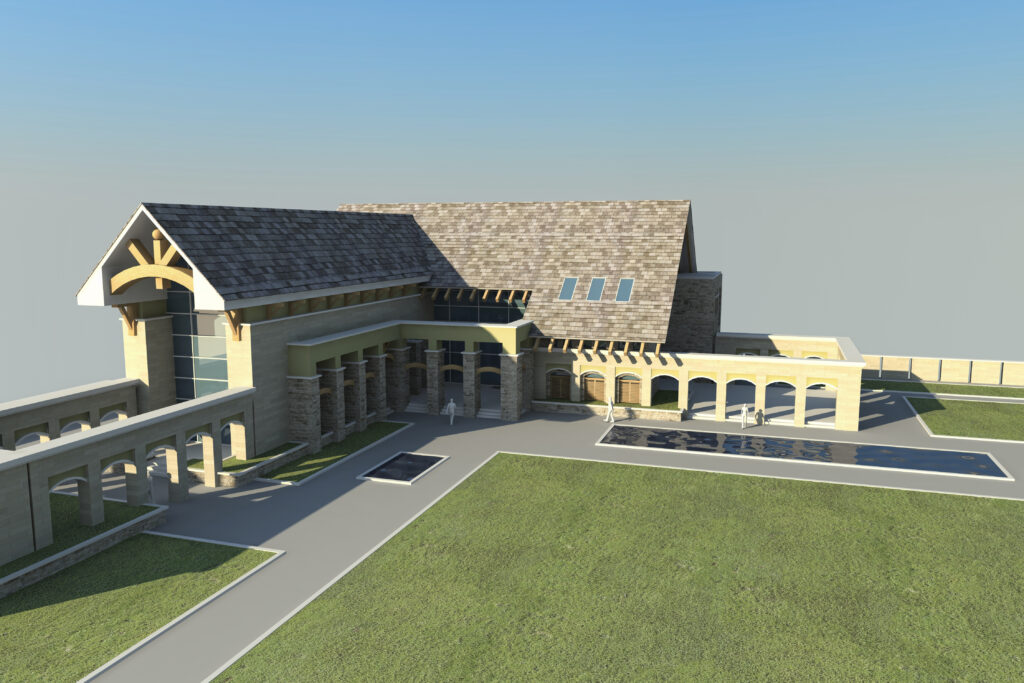
Technical Drawing
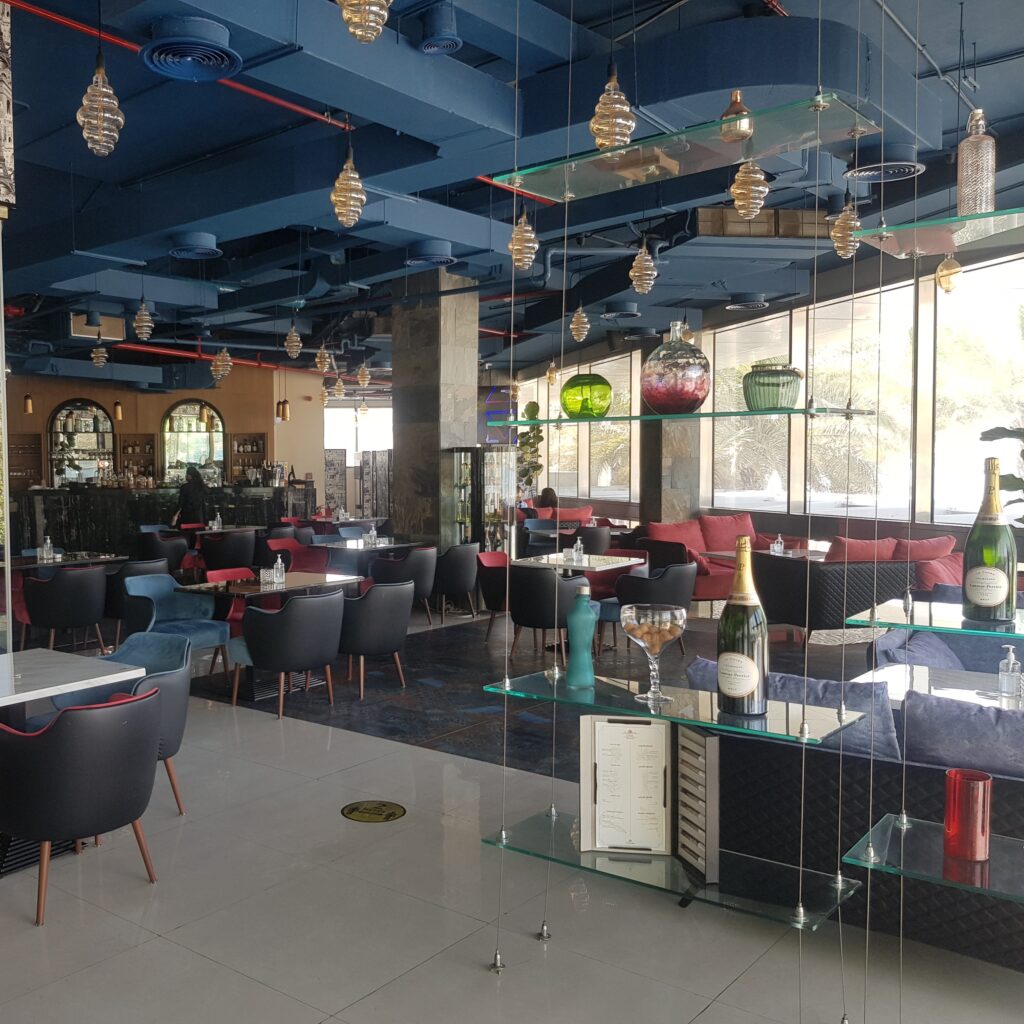
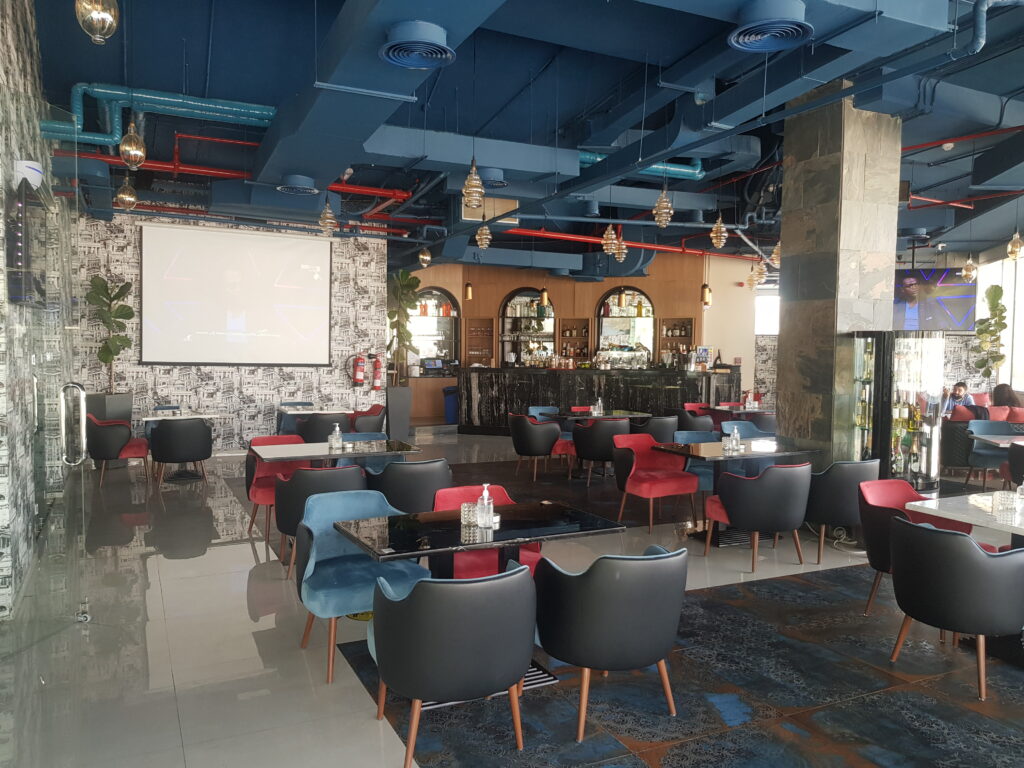
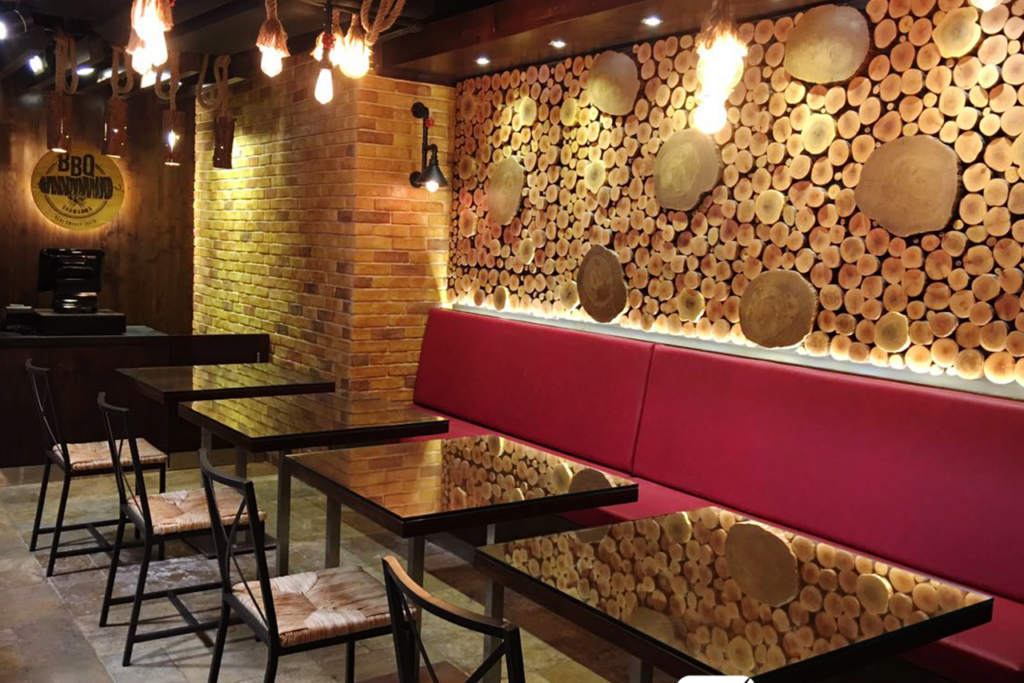
Actual Project Photo
Design Direction
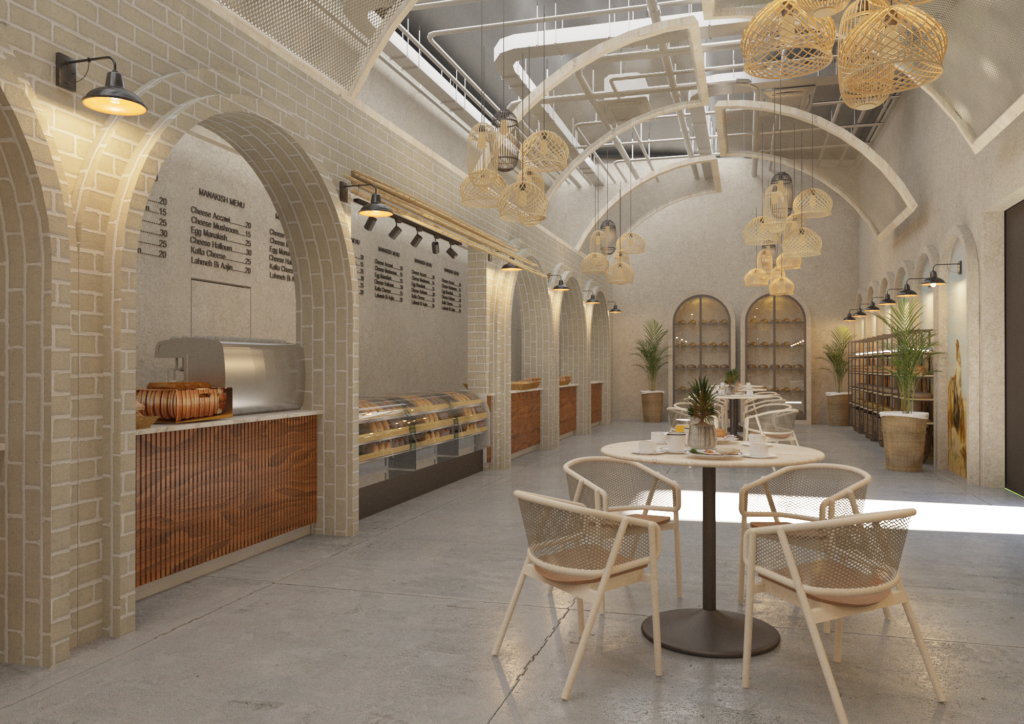
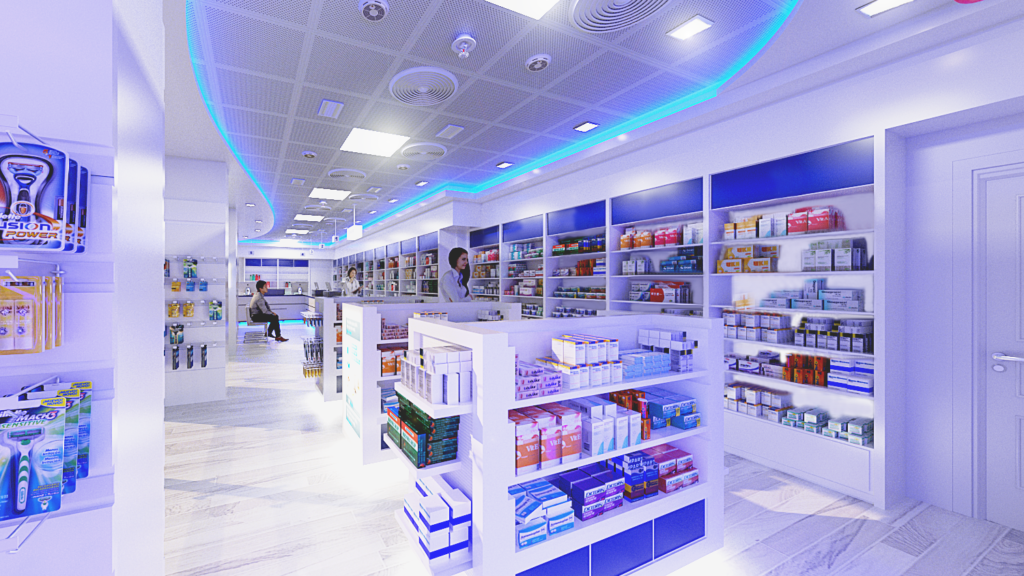
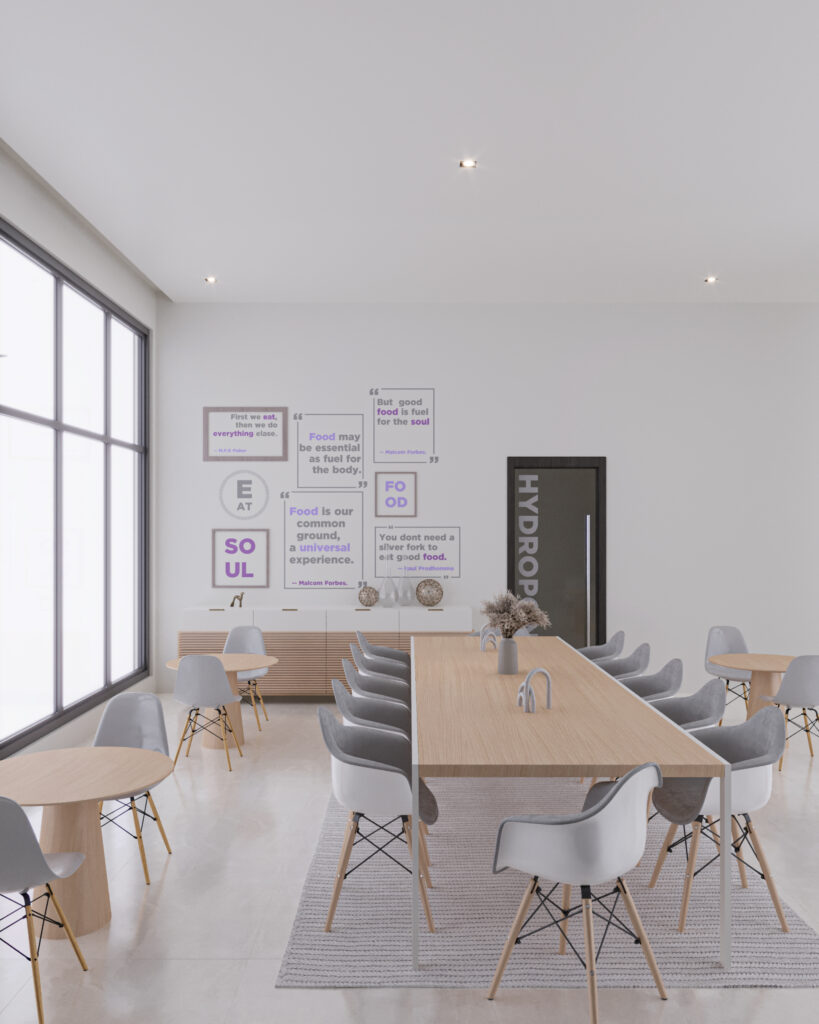
Turn the Need Into Decisions the Project Can Carry Forward
Planning, material direction, key visual decisions and technical thinking should develop around one project purpose so later stages are not starting again from zero.
Space Planning
Function, zoning and circulation — so the layout is understood, not just drawn.
Material & Finish Direction
How it looks, how it is used and what is realistic to build.
Key Details
The moments that must survive into the built result.
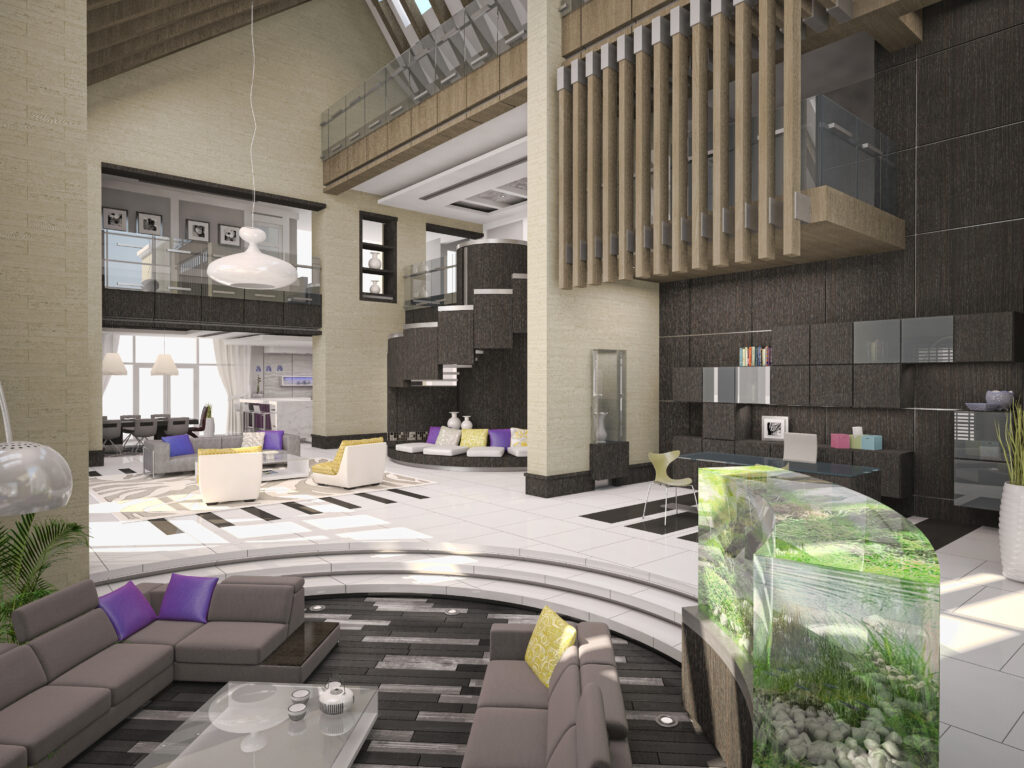
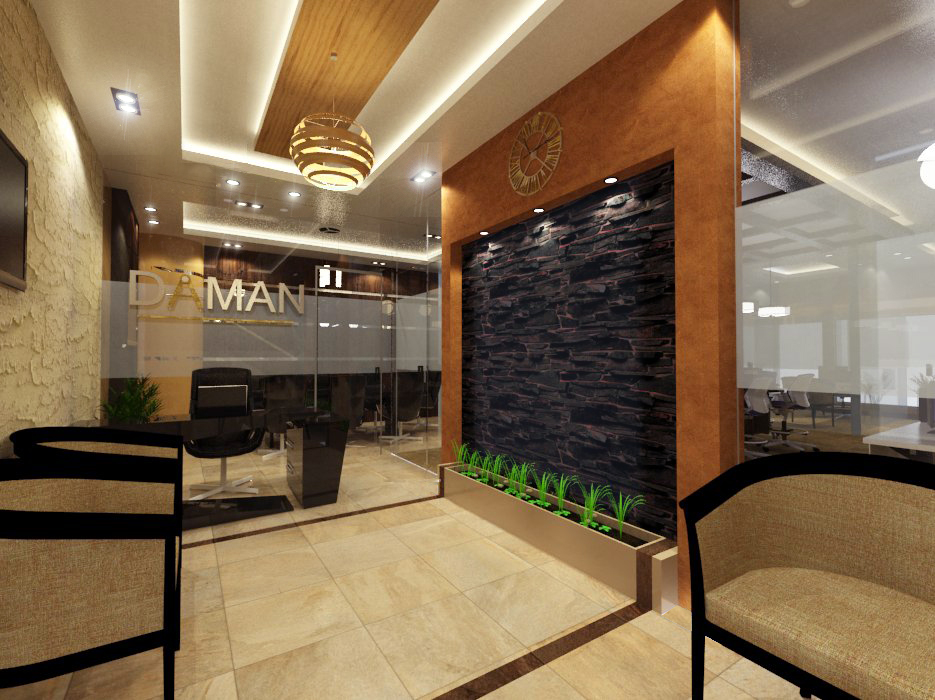
Visualisation
A decision reference everyone can see before site.
Every important design decision should have a reason the next stage can understand.
Scope & BOQ
Make the Design Commercially Clear Before Site
As the design develops, the project needs clarity around what is included, what is excluded, what still needs a decision and which packages depend on other parties.
Included
Inside the agreed scope.
Excluded
Outside it — by others, or not part of the project.
Open Decisions
Still needs a decision.
Dependencies
Linked to another party or another piece of information.
Illustrative plan — every project gets its own.
The BOQ should reflect the information and scope available at that stage and become a reference for the execution path.
The earlier design and scope speak the same language, the fewer avoidable surprises need to be solved on site.
Engineering Reality
Test the Design Against the Real Project
Technical reviews test design decisions early against site dimensions, services and delivery dependencies before those decisions turn into costly site changes.
Buildability
Can the detail actually be built?
Interfaces
What meets what.
Site Conditions
The real site, not the ideal one.
Technical Dependencies
MEP, suppliers and specialist works, by scope.
Technical Drawing
If technical reality changes the design, the decision should remain visible instead of becoming an unexplained site change.
Technical Drawing
Site Progress
Built Detail
Approved Information
Coordinated Packages
Site Sequence
Built Work
Execution
Carry the Intent Into Built Work
The connected delivery route carries approved design decisions through scope, materials and trade coordination so the built work stays linked to the original project intent.
Keep Important Decisions Visible as the Project Moves
A connected route works best when approvals, open decisions, dependencies and changes are understood in the context of the stage they affect.
Approved
e.g. Layout signed off
Open
e.g. Feature wall finish
Changed
e.g. Ceiling height after site survey
Dependency
e.g. Landlord approval
Next
e.g. Joinery shop drawings
Site Progress
Site Progress
Actual Project Photo
From Purpose to Built Proof
What You Approve in Design Should Stay Connected to What Gets Built
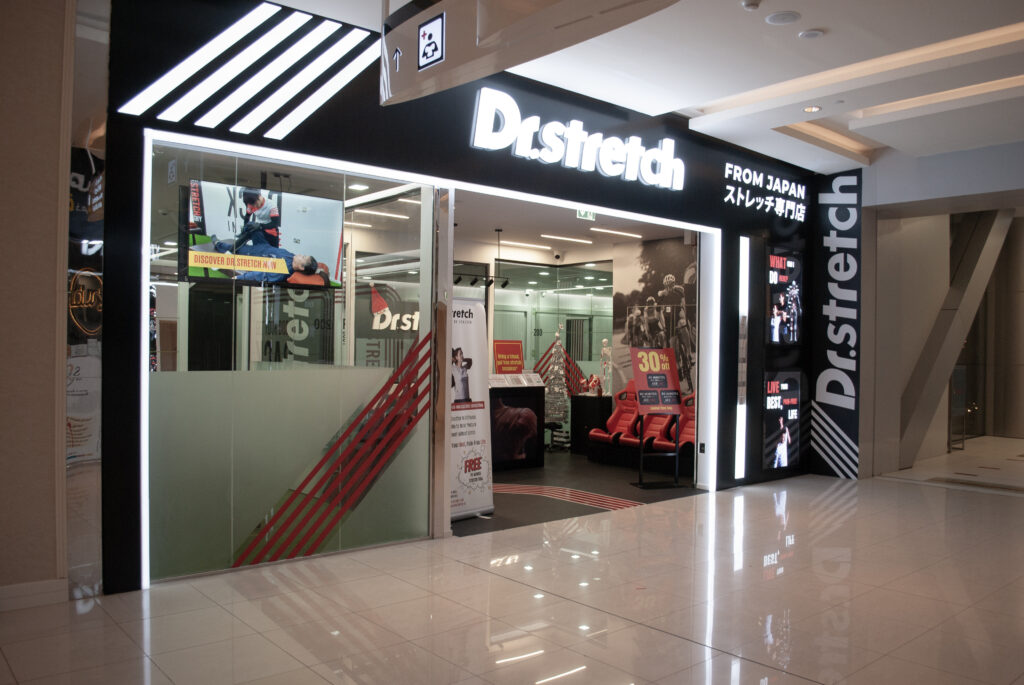
The strongest proof is not the render alone or the finished photograph alone. It is the visible relationship between the design decision, the site journey and the built result.
Start With the Project Need — Not the Service Name
Tell us the outcome you need and what stage your project has reached. We will explore how design decisions, scope and execution can stay connected from here.